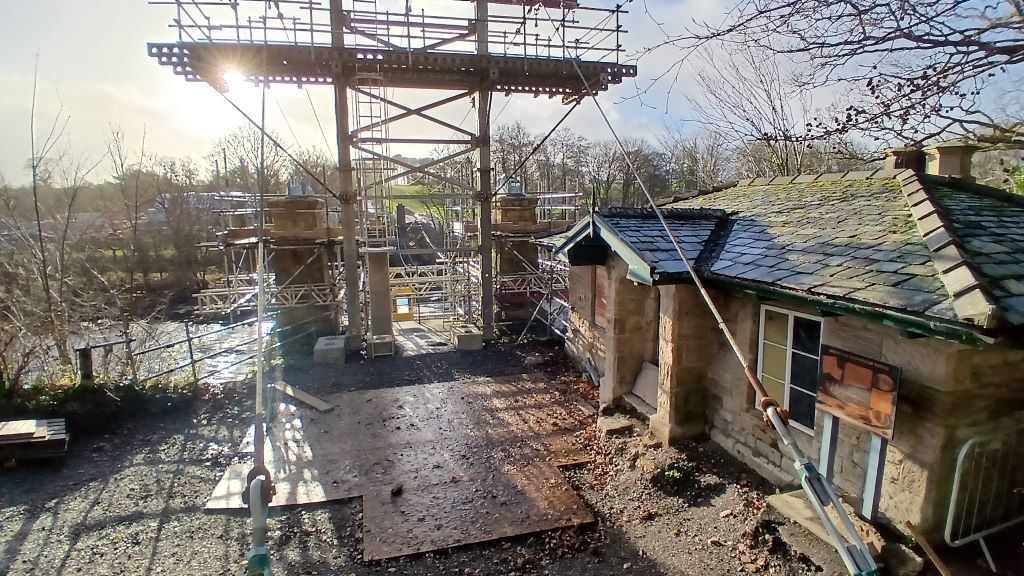
The long-awaited reopening of Whorlton Bridge has been delayed until autumn 2026.
Closed to traffic since 2019, Durham County Council insisted earlier this year that the Grade II-listed suspension bridge over the River Tees was on schedule to reopen next summer.
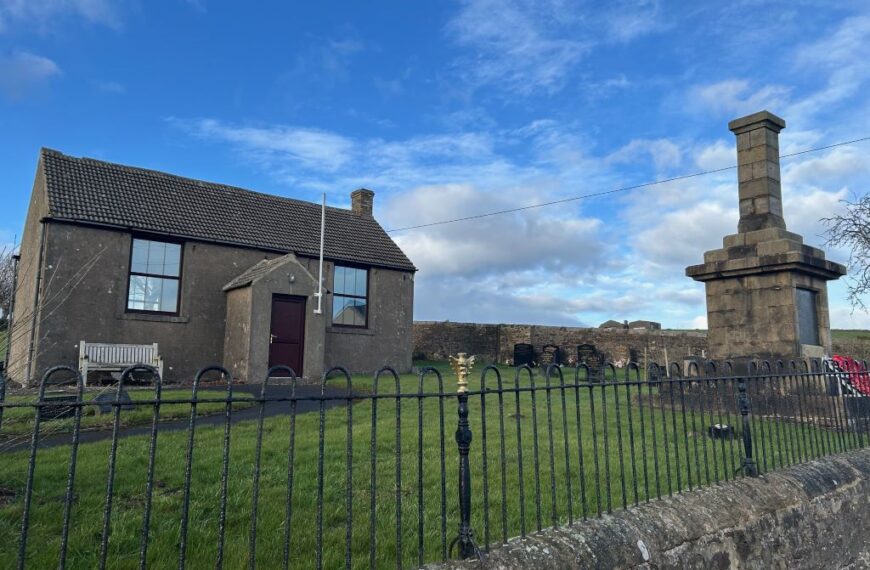
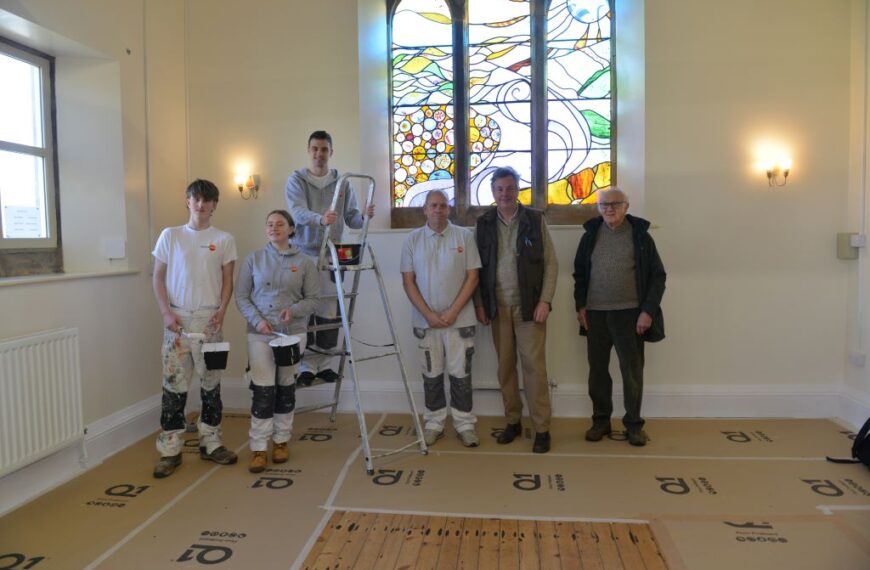
But residents were told at a public meeting on Wednesday, at Whorlton Village Hall, that the opening is now expected to take place in October 2026. They were also informed that the £8.4m project, funded from a Government Levelling Up grant, will go over-budget.
At the meeting, Durham County Council’s strategic highways manager Paul Anderson was joined by Lee Jackson, the project manager for Volker Laser, the contractor carrying out the bridge repairs, and Gary Armstrong, the project manager for engineering consultants Atkins Realis, the firm liaising between the council and the contractor.
Around 25 residents from Whorlton and the surrounding villages were given a detailed run-down by the three visiting experts on the work that’s been carried out on the bridge so far and what remains to be done.
Whorlton Bridge opened to the public in 1831 and it was hoped that the original wrought iron components would be reused in the renovated structure.
But when each of the 1,800 components were examined, almost all were found to be faulty and would have to be replaced.
That’s resulted in additional costs – which will have to be met by the county council – and new planning approval being required from Historic England due to the use of new steel components.
Mr Anderson said: “The plan is to have it up and running and open for people to use in October. It’s been a very difficult journey, but I do think we are on the finishing straight now, we’re on the last lap.”
“It has cost more than the original budget,” he added. “The original estimate was given five or six years ago, and we all know what’s happened since then in terms of the cost of materials that we weren’t expecting to use.
“So, with the passage of time, the different materials that we’re having to use, yes, costs have gone up from the original estimate.”
The closure of the bridge more than six years ago has caused a great deal of inconvenience to residents on both sides of the River Tees and will do so for at least another ten months.
Mr Anderson did confirm that the weight limit on the bridge will remain at three tonnes and the same signage will be used at both ends of the bridge.
However, the carriageway spanning the river will be narrowed from 3.3m to 2.5m using raised kerbs/footpaths to stop larger vans and lorries, as well as tractors, from attempting to cross the bridge.