Two dale women have been convicted of extensive animal neglect involving scores of horses and dogs.
Full details of this story will be in tomorrow’s Mercury where you’ll read why one of them escaped a prison term despite having an order banning her from keeping animals.
Also hear directly what the prosecution and defence representatives said in court.
Rescuers from the RSPCA and World Horse Welfare encountered distressing scenes at the remote property, with one officer describing the smell of rotting flesh.
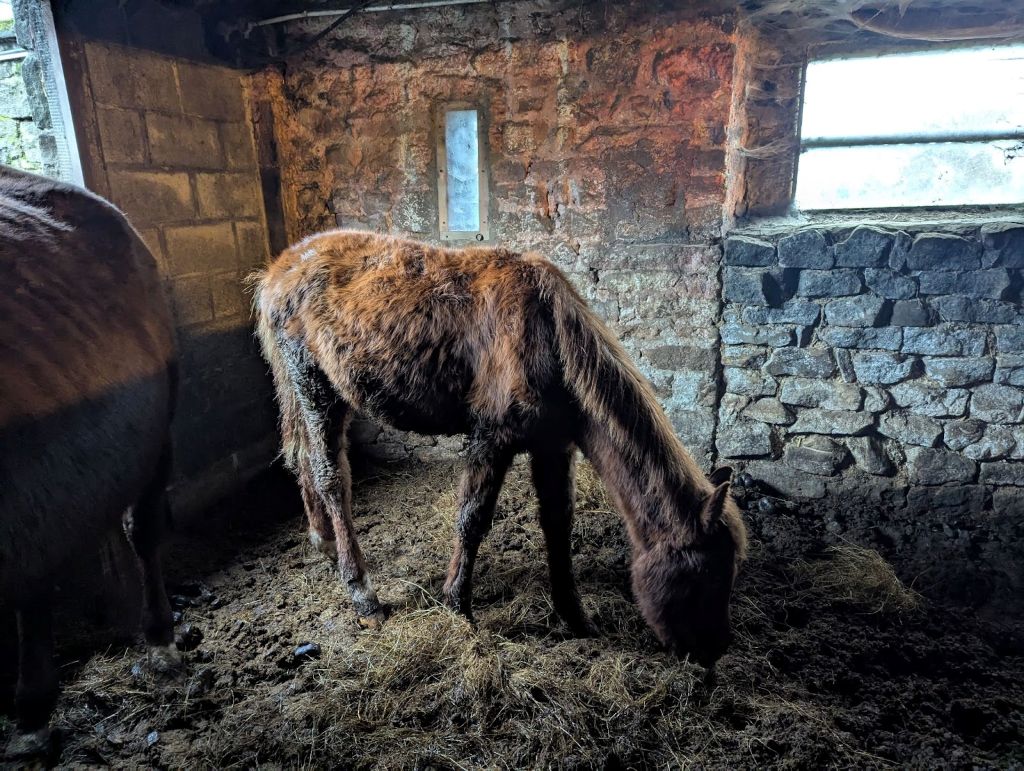
Twenty-two horses, some collapsed and the majority underweight, were found living alongside dead equines in filthy barns and stables.
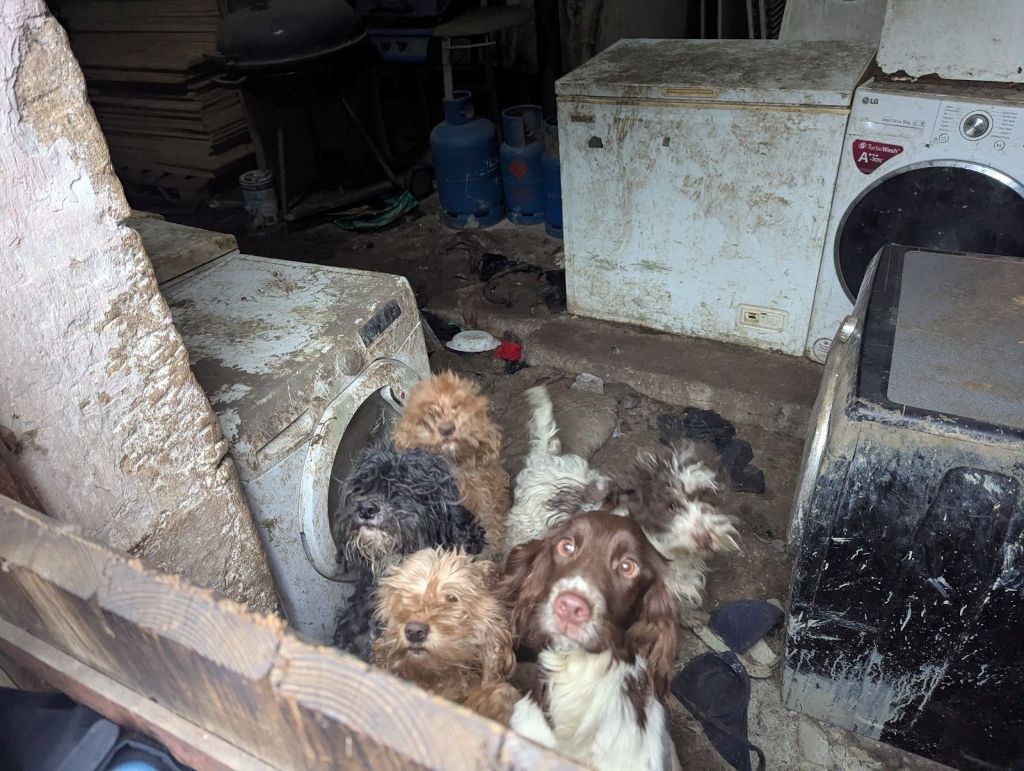
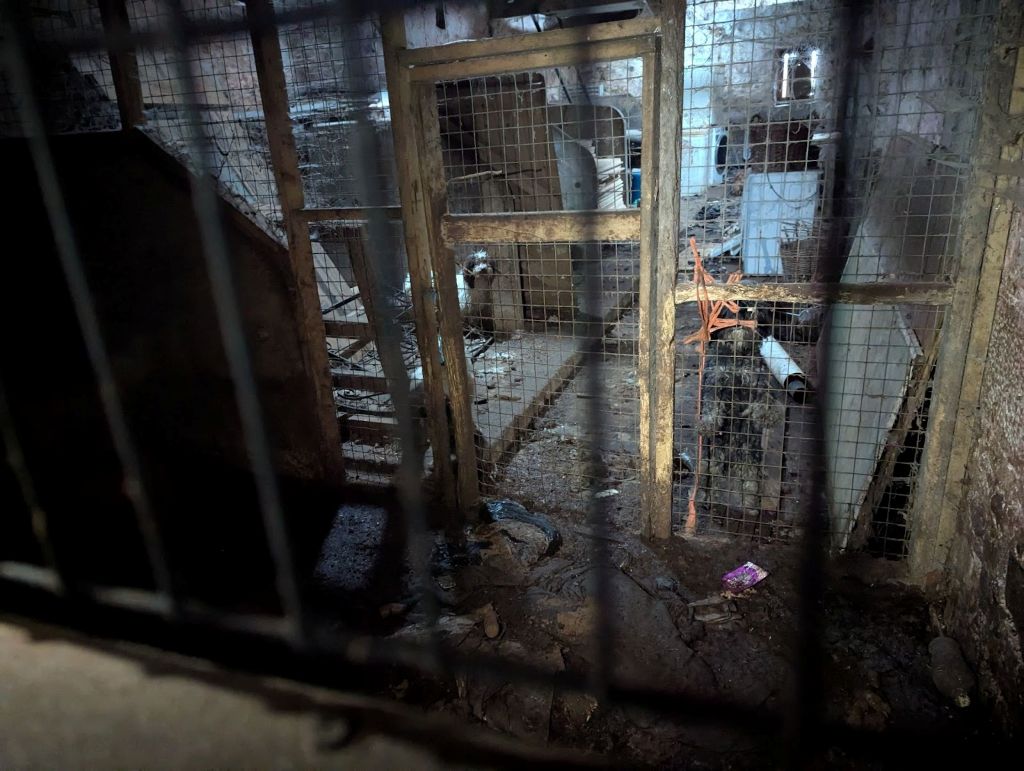
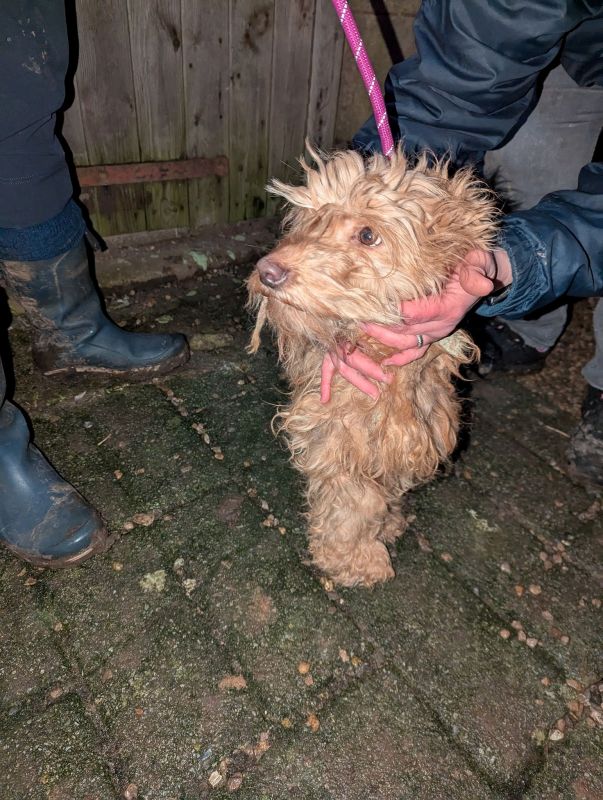
Twenty-one dogs, many matted with mouldy faeces, were also discovered in sheds and trailers.
Kerry Anne Pickersgill and her daughter Ellie Newby, of the farm in Marwood, were sentenced at Durham Crown Court on Friday following an investigation and prosecution by the RSPCA.
Pickersgill had pleaded guilty at a hearing in October to 15 offences relating to 22 horses and 21 dogs, and one count in relation to breaching a previous ban on keeping animals. She was handed a two-year custodial sentence, suspended for two years, by Judge Peter Makepiece KC.
She had previously been disqualified from keeping all animals for life in May 2015.
Her daughter Newby admitted two offences in relation to two dogs, and was given a 12-month community order with 150 hours of unpaid work and disqualified from keeping dogs for five years.
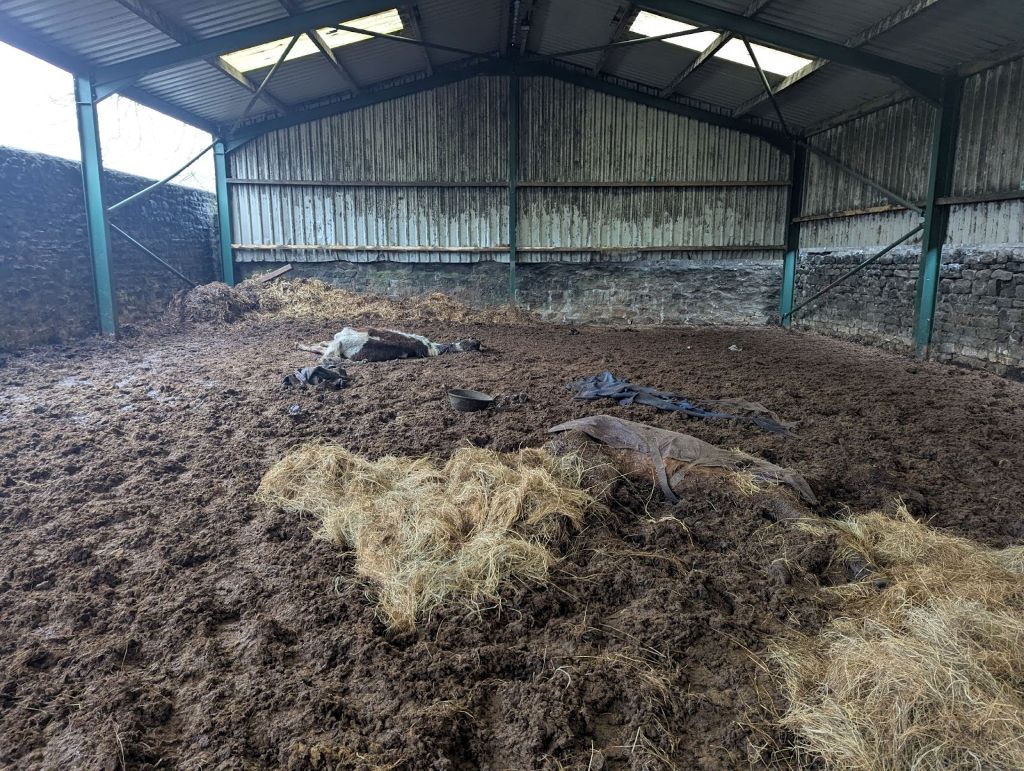
There was evidence of a fire having been lit, and amongst a mound of straw, wood and bedding material were the carcasses of at least two horses, one of which was partially charred.
In his written evidence, RSPCA Inspector Ian Smith described seeing horse’s bones: “As I approached the mound I saw the skeletal remains of an equine,” he said: “The rib cage was clearly obvious and a foreleg under some branches.
“As we walked round the pile I came across bones from various parts of an equine’s body and a head. These had been there for some considerable time as flesh had decomposed.
“I was then taken to a stable which had no lighting but I was still able to see a chestnut foal and its dead mother lying in the corner.
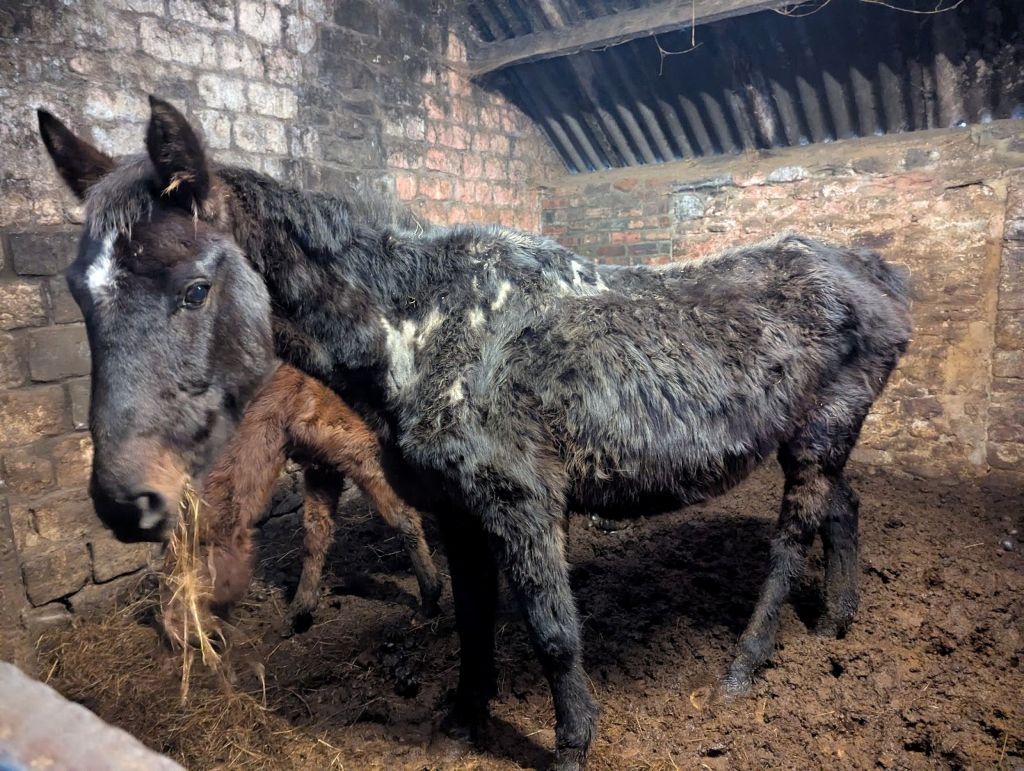
“This stable was filthy and deep in faeces. There was no fresh bedding for this live youngster but someone had dropped some hay onto the faeces and given water.”
Inspector Smith also found a large shed next to the stable.
He said: “It contained seven horses, some of which were covered with a rug and looked in poor condition.
“This shed was split in two and in the other section there were two young equines lying dead on the floor, a skewbald and a bay which still had a rug on it.
“The conditions were very poor, filthy and soaking wet with no clean bedding whatsoever. It was clear that the animals at this establishment could not stay like this.”
In her written evidence, RSPCA Inspector Heidi Cleaver told the court the dogs were living amongst mouldy faeces and debris in damp stables, sheds and trailers.
She said: “All of them were being kept in wholly unsuitable living conditions. The floors were littered with days’ worth of dog mess, there was nowhere clean and dry for them to rest and no access to clean and fresh water. The smell of ammonia inside some of the closed sheds and horseboxes was quite overwhelming.”
Her colleague, Inspector Clare Wilson, said in her evidence: “Most of the dogs were kept in the dark and the lights that were pointed out by Ms Pickersgill did not work when turned on.
“Many of the dogs were extremely underweight with all bones easily seen and felt and all were matted, stained and smelly, most with mouldy faeces matted into their fur. I saw a dead horse on a muck pile outside in the farmyard.”
Two vets and a dog behaviourist were asked to assist at the scene and they initially assessed and examined the animals and their living conditions. It was confirmed they were suffering or likely to suffer if their circumstances didn’t change and they were taken into police possession.
The court was told 16 live horses were transported to a private equine facility for immediate veterinary treatment. Six of them were owned by other people and were on loan to the defendants at the time.
Pickersgill and Newby also agreed to sign over the dogs, which included spaniels, Cockapoos, poodle crosses and Old English sheepdogs. Some of them had to be carried out of the sheds and stables by RSPCA officers.
Eight of the horses were in such poor condition the vet who examined them recommended they be put to sleep to prevent further suffering.
Many had severely overgrown hooves, which in one case hadn’t been trimmed for three years, and teeth which hadn’t been seen for two years. Lice and worm infestations were rife and several horses’ coats were stained in faeces.
In her written evidence, the vet said none of the horses had been provided with a suitable environment, with the majority being kept in squalid and unsanitary conditions, deep in faeces.
All of them had insufficient food and the majority were underweight, with body condition scores ranging from emaciated to moderate. One horse seen with a foal at foot would have taken a “minimum of 12 weeks” to deteriorate to that condition, said the vet, while others were so hungry they were seen eating their own faeces.
The only water on site was brown and dirty, with some of the horses having no provision at all.
The vet said: “It is clear from the number of both gravely and obviously sick animals and deceased carcases on site that the owner/person responsible for them was not providing veterinary attention.
“The horses were in varying degrees of stages of the same issues, with lack of adequate diet and endoparasite treatment predominating. Ultimately, if left untreated and in the same conditions, they were all on the same conveyor belt of deterioration in health.
“When animals died, it is clear they were left in the same stables they were contained in, despite other horses being in there.”
The dogs were suffering from a number of health issues and had matted coats, fur loss, dental disease, inflamed ears and infected eyes. Many of them had tender paws, which the vet said was likely due to standing in a damp and ammonia-heavy environment.
Four of them were described as emaciated by the vet and given the lowest possible body condition score of one out of nine.
They included an Old English Sheepdog called Ali who was living in a shed at the rear of the main property. She weighed 13.3 kg (29.32 pounds) and hadn’t been properly fed for months.
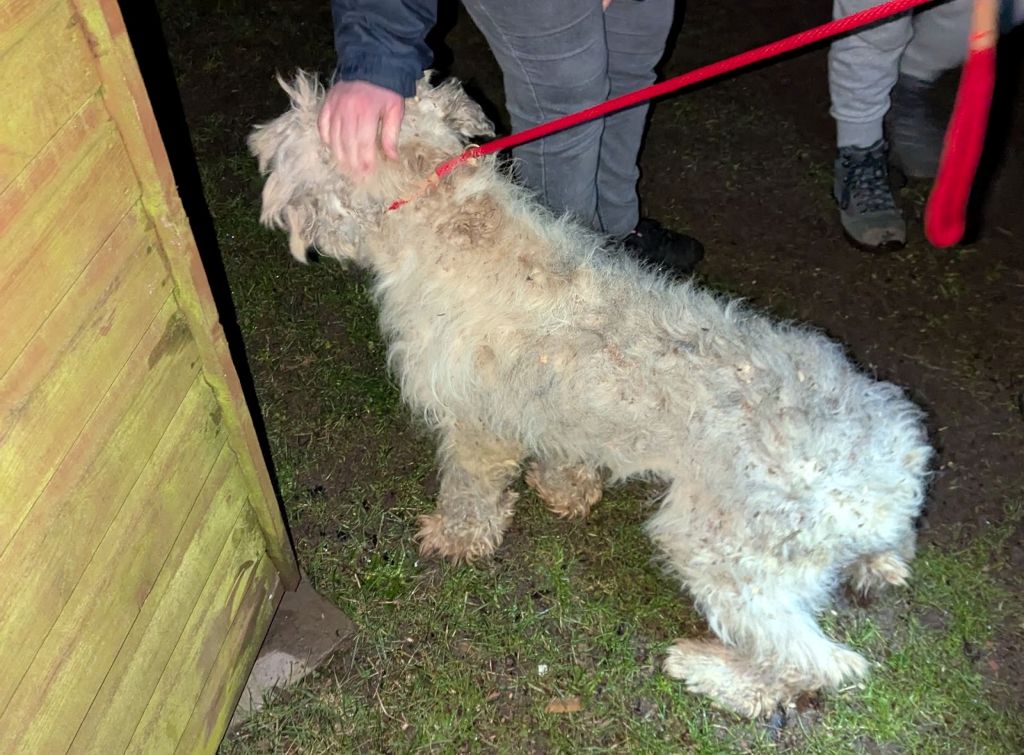
Her coat was severely matted with mouldy faeces, her pads macerated from standing on wet substrate for prolonged periods and her ears red and discharging.
Ali had to be sedated to allow her matted coat to be shaved. By the end of April, in RSPCA care, her weight had increased to 21.45 kg (47.29 pounds).
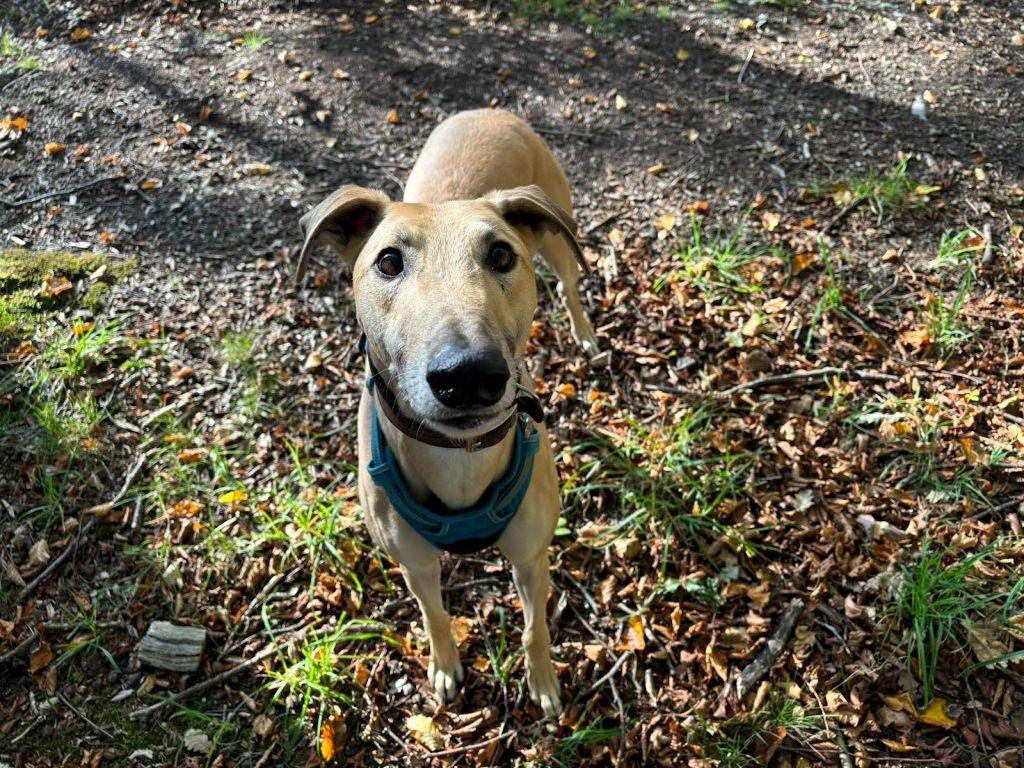
Another dog, a greyhound called Minty had sores on his hocks and hips and a crusty and swollen tail injury which was so severe it needed amputating. He was crawling in fleas and weighed 25.9 kg (57.09 pounds), putting on eight kilograms (17.63 pounds) in the charity’s care.
The court was told the dogs’ matted coats were pulling on their skin, causing inflammation and discomfort. The vet described their accommodation as “wholly unacceptable” and said the animals had suffered for up to “several months.”
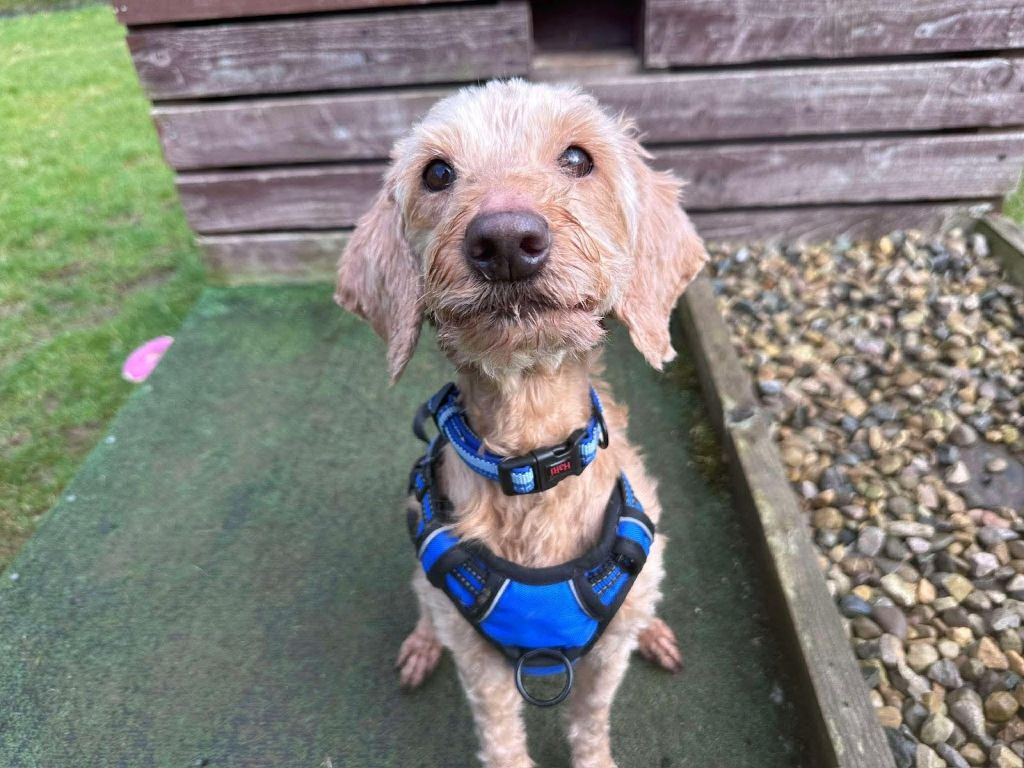
The vast majority were nursed back to health and rehomed by the RSPCA’s Great Ayton Animal Centre in North Yorkshire and Felledge Animal Centre in County Durham.
The surviving horses are being cared for by World Horse Welfare and have made good progress. A Shetland pony also rescued from the farm has since been rehomed by the RSPCA’s Felledge Equine Centre.
Pickersgill was also ordered to complete 25 Rehabilitation Activity Requirement Days, 100 hours of unpaid work and a six-month mental health treatment order.
She was said to have expressed regret about what had happened and the impact it had had on the animals and her family, apportioned the blame to herself for “putting herself in this predicament.”
Newby, who had no previous convictions, was said to be under the influence of her mother. The court was told she had “significant problems” and had led a solitary existence.
After sentencing, Inspector Cleaver said: “Everyone who worked at the scene for many hours was left shocked by what they encountered. The images of starving horses standing alongside dead ones, and scores of nervous dogs living in near darkness, will stay with us all for a long time.
“A large number of animals suffered greatly and for some it was sadly too late. Thanks to staff at our Felledge and Great Ayton animal centres, the majority of the dogs were rehabilitated and rehomed.
“Our thanks also go to our colleagues at World Horse Welfare for the incredible work they have done to get the surviving horses back to good health, and to the vets, the dog behaviourist and the police officers who worked with us on site until late in the evening.”
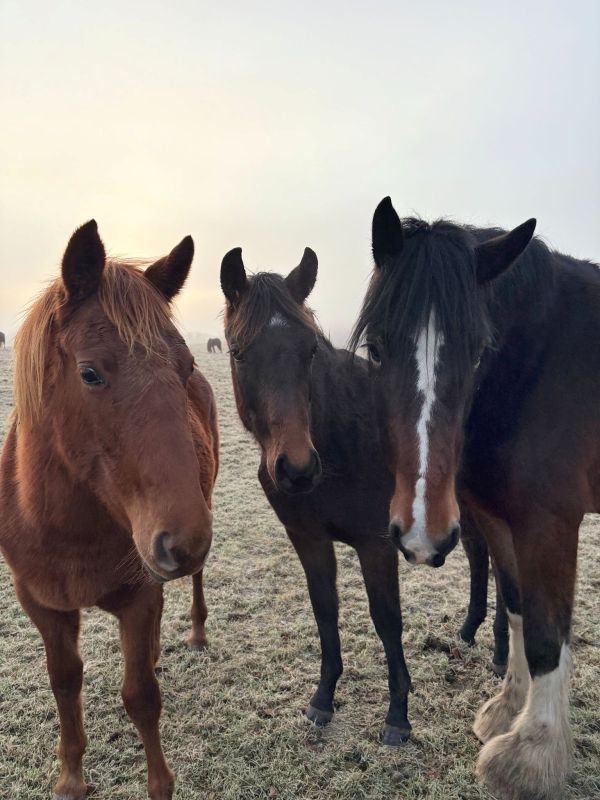
Seema Ritson, one of the two Field Officers from World Horse Welfare who assisted, said: “Finding numerous dead horses left where they’d fallen – with the whole site reeking of rotting flesh – and starving equines shut in with no food, water, or light, was truly dreadful.
“Until I turned the torch on my phone on, I couldn’t even tell that there was a foal in one stable, standing on her own in the dark beside a dead mare. There are some cases that haunt me and this is one of them – the suffering here was horrendous.”