A bold, new way of presenting the story of The Bowes Museum and the couple who founded it is taking shape inside the magnificent 19th century venue.
The aim is to bring to life how the museum came about – giving visitors greater insight into who John and Joséphine Bowes were and why they decided to build in Teesdale.
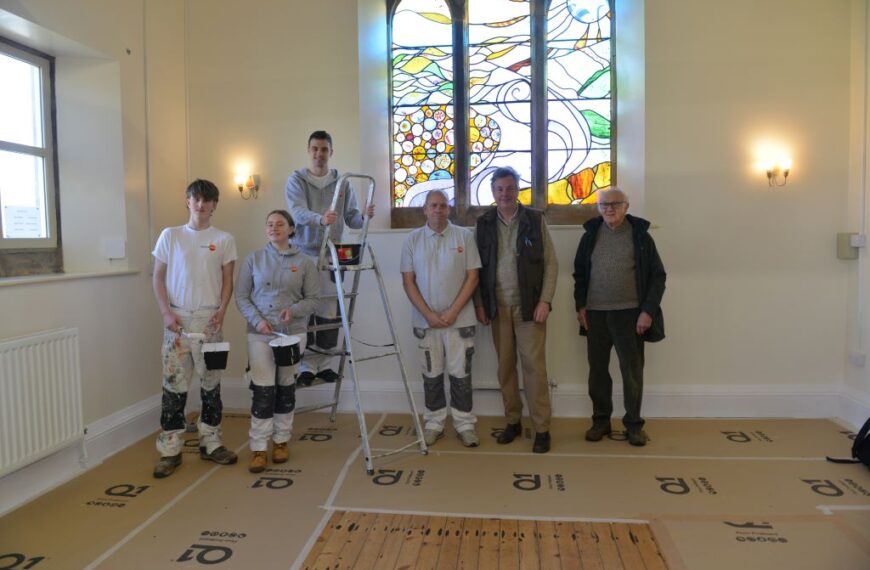
For the first time in 40 years, the Founders Galleries are being transformed with help from community groups.
Supported by the Wolfson Foundation, Art Fund, the Headley Trust, and the Pilgrim Trust, the £180,000 project combines innovative design, fresh storytelling and new research to reinterpret the lives and legacy of Mr and Mrs Bowes.
The three fully renewed gallery spaces will reopen to the public early April next year.
Since the 1960s, the Founders’ Galleries have displayed the founders’ portraits alongside furniture and objects personal to them.
The refitting of the spaces is designed to reawaken the founders’ vision and create a dynamic, engaging experience for visitors.
There will be fresh perspectives on Joséphine and John Bowes as individuals, as a couple who shared a dream and created one of the most distinctive purpose-built museums in the North of England.

Drawing on ongoing archival research and new discoveries, the displays will celebrate the couple’s achievements, showcase the stories and processes behind the creation of their vast art collection and the design and build of the museum itself, from Joséphine laying the foundation stone in 1869 to its public opening in 1892.
At the heart of this gallery transformation is co-production.
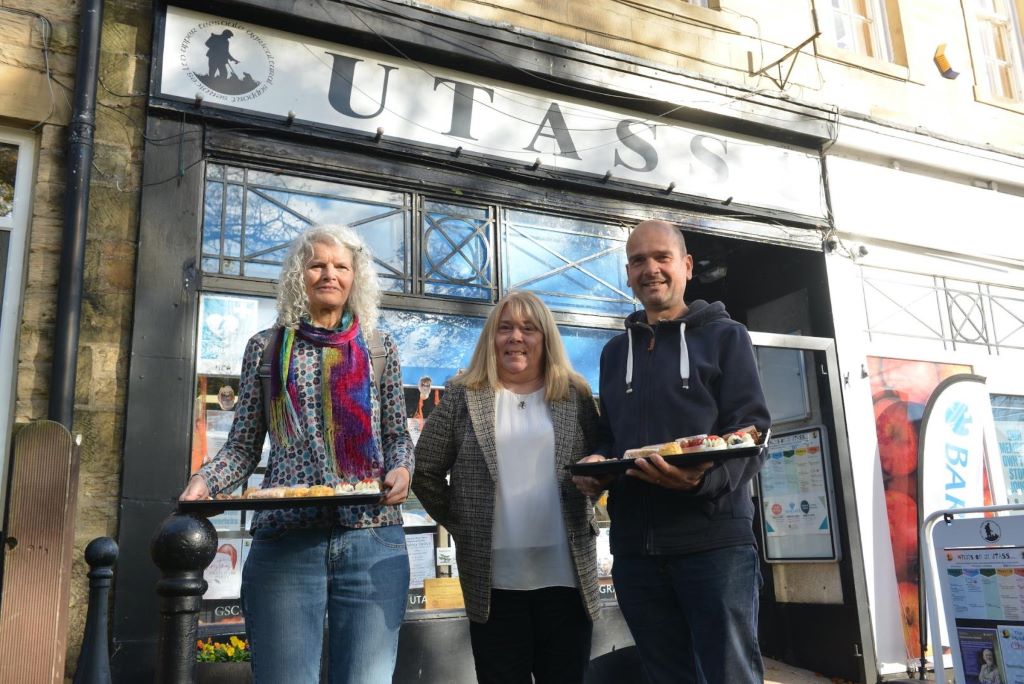
The museum is working together with local community groups, artists, volunteers and staff, alongside partner Creative Core, to ensure the new galleries reflect the voices and creativity of the people in the area who know and love the museum best.
Through collaborative workshops and shared decision-making, these new spaces will be shaped by contemporary perspectives while honouring the founders’ legacy.
Objects within the new gallery spaces will double, offering visitors the opportunity to explore both new and familiar stories and allow the museum to show more objects than before. During the transformation, many treasured objects from the galleries have been moved to other parts of the museum or placed in storage.
Three spaces make up the galleries and they will stay open as much as possible during the refit. Sketches will be on show to help visitors envisage the new spaces.
Behind-the-scenes conservation is also taking place so visitors can glimpse some of the careful preparation of objects for future display.
The spaces are also showcasing creativity with artworks created by community groups from the Durham Dales, made in collaboration with artists in response to the founders’ remarkable story.
Vicky Sturrs, director of programmes and collections, said: “This transformation isn’t just about redisplaying objects; it’s about reawakening stories, rekindling connections and inviting our communities to shape what the museum means for today and into the future.
When we reopen them fully in April 2026, visitors will encounter spaces that honour our past and embrace the future.”
As work progresses, gallery access might be limited.